Midtown Locksmith NYC Inc Service Team
Local locksmith team
Jun 1, 2026 11 min read
You just handed over your keys at closing, signed the last page of your lease on a walk-up off West 57th, or finally got the deed to that co-op you've been chasing for two years — and now you're standing in front of your new front door wondering: do I actually know who has a copy of this key? In New York City, that question matters more than almost anywhere else. Buildings cycle through tenants, supers, contractors, dog walkers, and relatives. The previous owner or renter may have cut copies you'll never account for. The good news is you don't always need an expensive full lock swap to sleep soundly — and understanding the difference between rekeying and replacing can save you real time and real money.
This guide breaks down exactly what to do with your locks after moving, when a rekey is the smarter call, and when a full replacement — particularly to a heavy-duty mortise lock — is the right investment for your door. We'll also cover what to do if locked out of house situations catch you off guard, because moving days in NYC have a way of turning chaotic fast.
## Rekey vs. Replace: Understanding the Core Difference
Rekeying means a trained locksmith reconfigures the internal pin tumblers of your existing lock cylinder so that your old keys no longer work — only the fresh-cut keys do. The lock hardware itself stays on the door. Replacing means removing the entire lock assembly and installing a new one. Both achieve the same security goal — making old keys useless — but they are very different jobs in terms of labor, parts, and time.
For most move-in situations, rekeying is the first thing a qualified locksmith will recommend, and for good reason. If your existing lock is in solid mechanical condition, there's no reason to retire it. The cylinder gets re-pinned, you get new keys, and the job is often completed in minutes per lock. Where rekeying stops making sense is when the lock is worn, damaged, an older model that no longer meets your building's security expectations, or simply the wrong type for your door — which brings us to the mortise lock conversation that every NYC homeowner should know.
## Why the Mortise Lock Is the Gold Standard for NYC Doors
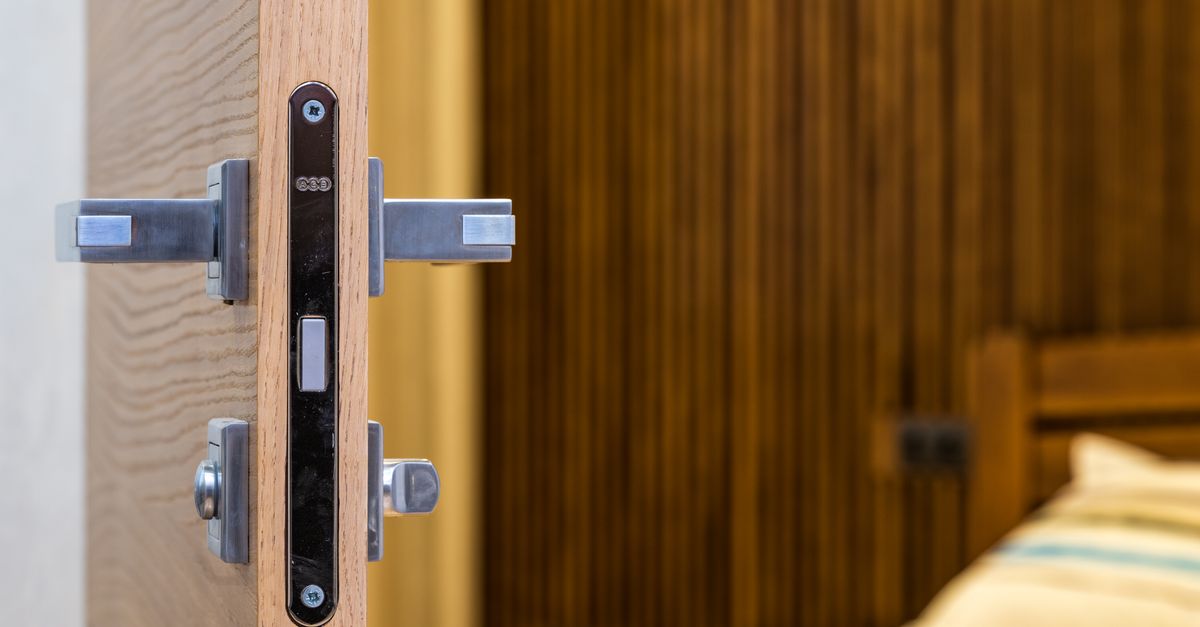
If you've moved into a pre-war brownstone, a townhouse off Park Slope, or a ground-floor unit in Midtown, your door may already have a mortise lock — the large, rectangular lock body that sits recessed inside the door's edge, operating both a latch and a deadbolt with a single mechanism. Mortise locks are the workhorses of New York City security. They're substantially more robust than a standard door knob lock or a cylindrical deadbolt, they distribute force across a wider strike plate area, and they resist kick-in attacks far better than thinner alternatives.
When a building upgrades security, when a door is replaced, or when a tenant moves into a unit that has only a basic door knob lock, a full mortise lock installation is worth the investment. An experienced locksmith will assess the door thickness, stile width, and frame condition before recommending the right mortise body and trim. Brands like Schlage and Kwikset both manufacture quality mortise lock systems suitable for residential NYC applications. If you're inheriting an old mortise lock in questionable shape, rekeying the cylinder is still possible — and often the right first step — but your locksmith will let you know if the internal mechanism has enough life left to justify it.
## When to Rekey, When to Replace — A Practical Move-In Checklist
Here's how to think through the decision after you move in. Rekey when: the lock is a quality unit in good working order, the door swings and latches cleanly, and your only concern is unknown key copies floating around from previous occupants. This covers the vast majority of apartment move-ins across boroughs like Manhattan, Brooklyn, and Queens. One visit from a skilled locksmith, and every old key is instantly obsolete. Replace when: the lock shows visible wear or damage, the cylinder is sticky or slow, the lock is a cheap builder-grade door knob lock on a ground-floor door, you want to upgrade from a knob to a mortise lock system, or the building has specific insurance or co-op board requirements about lock grades.
A third scenario worth naming: you're in a multi-family building and you've just discovered the super's master key system includes your unit. That's a conversation for your landlord, but it may also mean your cylinder needs to be swapped for one that isn't compatible with the building's master — something an experienced commercial locksmith or residential specialist can evaluate on-site. If you're managing a rental property yourself and turning over a unit, rekeying every time a tenant moves out is simply best practice, full stop. It costs far less than addressing a security incident after the fact.
## How Much Does an NYC Locksmith Cost? (And What Drives the Price)
One of the most common questions we hear — right alongside 'how much does a local locksmith charge?' — is whether the price changes based on timing, location, or job complexity. The honest answer is: yes, several factors shape the final number, and any professional locksmith should explain them clearly before touching your door. The variables include the type of lock being serviced (a mortise lock rekey involves more steps than a simple knob cylinder), whether parts need to be sourced or are on the truck, the time of day (emergency overnight calls carry different logistics than a scheduled afternoon appointment), and travel distance within the five boroughs.
At Midtown Locksmith NYC Inc, we confirm an exact up-front price before any work begins — no surprises on the invoice. We're also insured, so you're protected throughout the job. If you've ever wondered 'what is the average call out fee for a locksmith?' or seen wildly different quotes online, the best approach is to call directly, describe your lock type and situation, and get a firm number before anyone rolls up to your door. That transparency is non-negotiable for us. For property managers comparing notes with colleagues internationally — questions like 'how much does it cost to book an emergency locksmith in Dubai?' or 'how much does it cost to change a door lock in Dubai?' sometimes come up — the pricing logic is similar globally (lock type, urgency, parts), but local labor markets vary significantly. In NYC, you're paying for rapid response across a dense, high-cost city, and that's reflected honestly in any legitimate quote. Ready to get yours? Call (646) 941-8746 — we answer 24/7.
## What to Do If Locked Out of House on Moving Day (Without Making It Worse)
Moving day in New York is a different kind of chaos — elevator reservations, double-parked trucks on Tenth Avenue, movers hauling boxes while you're signing for furniture deliveries. It's also peak time for lockouts. Knowing what to do when locked out of house situations happen can keep a stressful hour from becoming a full-blown crisis. First: stay calm and check every available option before calling anyone. Did a family member or friend hold a spare key? Is there a building super on-site who can verify your identity and assist? Is there another entrance — a back door, a garage — that you have access to? Run through all of that before escalating.
What you should never do: attempt to force the door, try to slip the latch with a card, or follow any 'bypass' tutorial you found online. These approaches damage locks and doors, void warranties, and — particularly in apartment buildings — can alarm neighbors or property management. If legitimate options are exhausted, calling a professional emergency locksmith is the right move. A trained technician can verify your identity and get you inside without damaging your hardware. If you're asking what to do if you get locked out of your house and none of your backup options pan out, that's exactly the situation our 24/7 mobile team exists for. We cover all of Manhattan, including Midtown, the Upper West Side, and down to the Financial District, plus Brooklyn, Queens, and beyond. And if you're ever wondering what to do if you are locked out of your house in the middle of the night — the answer is the same: call (646) 941-8746. We're always on.
## Our Full Range of Locksmith Services for NYC Homes, Buildings, and Vehicles
Midtown Locksmith NYC Inc is a fully mobile, 24/7 operation serving the greater New York area. Whether you need a mortise lock installation on a Harlem brownstone, an emergency locksmith call at 3 a.m. on a Tuesday, or a commercial locksmith consultation for a multi-tenant office suite, our experienced technicians carry the tools and parts to handle it on the first visit. Here's a detailed look at what we do:
Residential Services: Mortise lock installation and rekey; door knob lock replacement and rekey; deadbolt installation (single and double cylinder); high-security cylinder upgrades; sliding door lock repair; window lock installation; apartment lockout response; spare key cutting; lock lubrication and maintenance; keypad and smart lock installation; peephole installation. Commercial Services: Commercial locksmith master key system design; office lockout response; storefront lock replacement; push-bar and panic hardware installation; access control system integration; file cabinet and desk lock service; mailbox lock replacement; building re-keying after staff turnover; high-security commercial deadbolt installation. Automotive Services: Car lockout service; ignition lock cylinder repair; transponder key programming; laser-cut key duplication; broken key extraction from ignition or door. Emergency Services: 24/7 emergency locksmith dispatch across all five boroughs; lock change after break-in; door frame and strike plate reinforcement after forced entry. Does NY require a locksmith license? New York State does not currently require a statewide locksmith license, but our team is trained, experienced, and insured — and we operate with full transparency on every job.
Frequently asked questions
How do I know if my lock can be rekeyed or needs to be replaced entirely?+
A trained locksmith will assess the lock's condition on-site. If the cylinder turns smoothly, the bolt engages cleanly, and the hardware shows no significant wear or damage, rekeying is almost always viable. If the lock is a low-grade door knob lock on a vulnerable entry point, shows corrosion or internal binding, or simply isn't the right type for your door (for example, a building that should have a mortise lock but doesn't), replacement is the smarter long-term choice. When our technician arrives, they'll walk you through the options and explain the reasoning before any work begins.
What to do if you're locked out of your house and it's the middle of the night in NYC?+
First, run through your quick checklist: spare key with a neighbor or family member, building super contact, alternate entry point you have legitimate access to. If none of those are available, call a professional emergency locksmith rather than attempting anything that could damage your door or lock. Midtown Locksmith NYC Inc operates 24 hours a day, seven days a week across Manhattan, Brooklyn, Queens, and surrounding areas. Call (646) 941-8746 and we'll dispatch a skilled technician to your location. We'll confirm your address, provide an upfront price, and get you back inside without damage to your hardware.
Is rekeying as secure as getting a brand-new lock?+
Yes — when the existing lock is in good mechanical condition, a properly rekeyed cylinder provides exactly the same security as a new lock. Rekeying completely invalidates all previous keys; no prior key will operate the lock after the re-pinning is done. The advantage of a new lock only applies when you're also upgrading to a higher-security mechanism (such as moving from a basic knob lock to a full mortise lock system), when the existing hardware is worn, or when you want modern features like a smart lock or keypad. Your locksmith can tell you which scenario applies to your specific door.
How much does an NYC locksmith charge for a move-in rekey vs. a full lock replacement?+
Several factors influence the final quote: the type and brand of lock (a mortise lock involves more labor than a standard knob cylinder), how many locks need to be serviced, whether replacement parts need to be sourced, the time of day, and your location within the five boroughs. We don't publish fixed prices because an accurate quote requires knowing your specific situation — but we always confirm an exact price upfront before any work starts. Call (646) 941-8746, describe your locks and location, and we'll give you a clear number on the spot.