Midtown Locksmith NYC Inc Service Team
Local locksmith team
Apr 20, 2026 12 min read
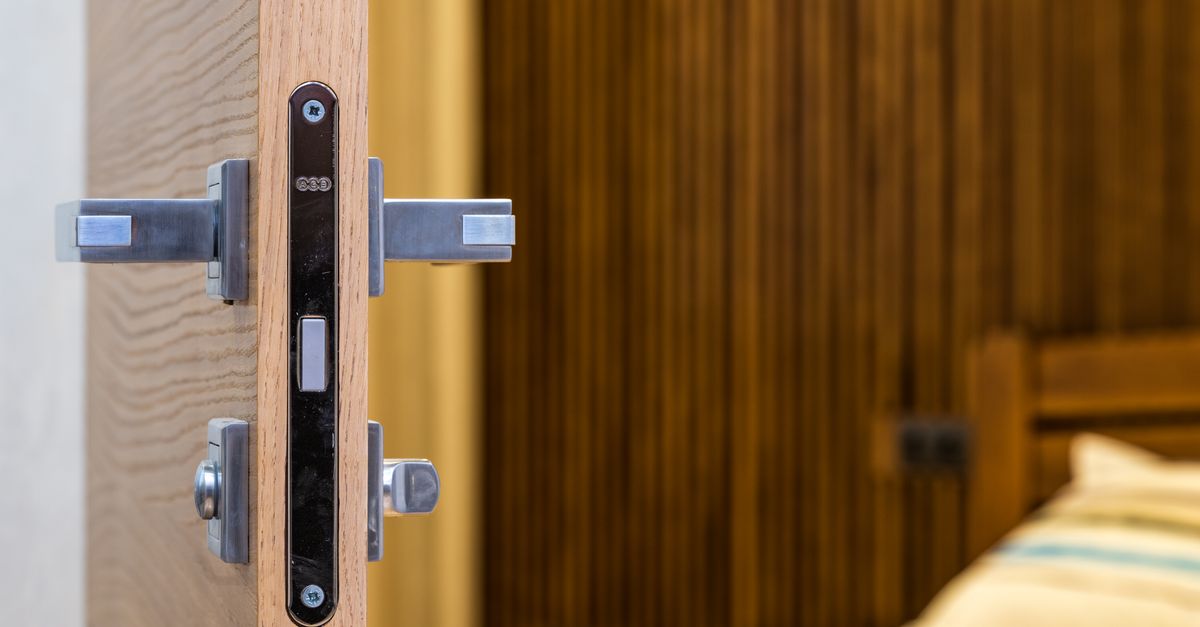
If you've just moved into a co-op on the Upper West Side or signed a lease for a rental in Midtown, one of the first things on your mind is probably the locks. Who had keys before you? Does building management have a copy? Can you just swap out the cylinder yourself? In New York City, those questions have real legal weight — and the answers depend on whether you own your unit as a co-op shareholder or rent it from a landlord.
This guide breaks down exactly what NYC tenants and co-op owners are allowed to do when it comes to changing locks, which hardware is typically required or recommended (including the classic mortise lock found in thousands of pre-war buildings), when you must provide a key to management, and when to call a professional locksmith rather than try a DIY fix. Whether you're in a doorman building on Park Avenue or a walk-up in Astoria, these rules apply to you.
## Your Legal Right to Change Locks: Tenants vs. Co-op Owners
Under New York City Administrative Code §27-2043, residential tenants have a legal right to change their apartment door locks — without needing the landlord's permission. However, there's a critical condition attached: if your lease or building rules require it, you must provide the landlord or managing agent with a key to the new lock within 30 days. Failing to do so can be considered a lease violation. Co-op shareholders operate under a slightly different framework. You own shares in the corporation, not the unit outright, and your proprietary lease almost certainly governs what alterations you can make to your door — including lock changes. Most co-op boards require advance written approval before any hardware is replaced, and many specify that a copy of the new key must be kept on file with the superintendent.
The practical takeaway: tenants can act first and notify later (within the legal window), while co-op shareholders generally need to notify first and act after approval. Either way, changing your locks is not a covert operation — document everything, keep written records of any keys handed over, and request a signed receipt from building staff when you do.
## The Mortise Lock Standard in NYC Pre-War Buildings
Walk down almost any pre-war block in the West Village, Washington Heights, or Carroll Gardens and you'll notice that most apartment doors use a mortise lock — a rectangular lock body set into a pocket (the 'mortise') cut into the door's edge, rather than a cylindrical borehole. These locks have been the New York standard since the early 1900s and are prized for their strength, their smooth lever or knob operation, and their compatibility with the high-security cylinders modern locksmiths install today. Vintage Corbin antique mortise lock hardware — particularly from the Corbin mortise lock line popular in antique locks and keys circles — is still found in many original-condition apartments and is genuinely robust when properly maintained.
If your building uses a mortise lock and you want to upgrade security, the most common approach is a cylinder replacement: a skilled locksmith removes the existing cylinder from the mortise body and installs a new high-security or pick-resistant cylinder, leaving the elegant original hardware intact. This is far preferable to replacing the entire door lock assembly, which may require cutting a new mortise in a solid wood door — a job that demands precision tools and real experience to do correctly. A professional mortise lock service also matters for compliance: many NYC co-op boards and landlords specify that the door lock must remain a mortise-style unit and must not be supplemented with additional surface-mounted hardware without approval.
## Changing the Cylinder vs. Replacing the Whole Lock: What's Actually Involved
Most New Yorkers don't need a full lock replacement — they need a cylinder change, also called a re-key or cylinder swap. When a locksmith changes the cylinder in a door lock, they extract the existing plug from the mortise body or deadbolt, replace it with a new cylinder keyed to a fresh set of keys, and test the operation. The door itself, the lock body, and the strike plate all stay in place. This is faster, less invasive, and the right call when the hardware itself is in good working order. It also means your new keys won't work any of the previous tenant's copies — which is exactly the security outcome you want after moving in.
A full lock replacement is warranted when the mortise body is damaged, when the door has been forced (warping the case or breaking the cam), or when a building is upgrading to a new hardware standard across multiple units — a scenario where our commercial locksmith team regularly assists property managers on large-scale rekeying projects throughout Manhattan and the outer boroughs. If you're dealing with a smart lock that runs on batteries — such as an August lock — bear in mind that these units typically retrofit over the existing deadbolt cylinder and require periodic battery changes (the August app will notify you when power is low). For buildings where management needs keyless entry, battery-operated smart locks can be a practical solution, but always confirm with your co-op board or landlord before installing one, as proprietary lease terms frequently prohibit alterations to the door face or frame. If you have questions about which upgrade is right for your door, call (646) 941-8746 — our team answers 24/7 and can walk you through the options before you commit to anything.
## The Key-to-Management Requirement: What You Must (and Don't Have to) Do
New York City law requires tenants who change their locks to offer a key to the landlord — but it does not require the landlord to actually keep that key on-site or to use it freely. The law is designed to ensure emergency access for things like fire response, leak repair, and health inspections. What it does not authorize is the landlord using that key for routine or unannounced entry. Under Real Property Law §235-b and common NYC lease standards, landlords must provide 'reasonable notice' (typically 24 hours) before entering — except in genuine emergencies. So handing over a key does not mean giving up your privacy.
For co-op shareholders, the proprietary lease almost always requires you to keep a key with the superintendent. This is non-negotiable in most buildings and is enforced as a condition of your shareholder status. A practical tip: when you hand over any key to building staff, write a short note identifying the date, the address, your unit number, and the name of the person receiving it. Ask them to sign and return a copy to you. This protects you if there's ever a dispute about whether the key was provided within the required window. Our locksmiths carry duplicate key-cutting equipment on every call, so we can cut management copies on the spot at the time of any lock change — no second trip needed.
## When to Call a Professional Mortise Lock Locksmith in NYC
DIY lock changes sound appealing until you're staring at a 100-year-old mortise lock body with a seized cam, a cylinder that won't turn, or a door that won't close squarely. Older NYC doors — especially in pre-war brownstones and classic co-op buildings — have settled over decades, and the fit between door, frame, and lock can be surprisingly unforgiving. A trained locksmith who works regularly with mortise lock hardware will spot these issues immediately: a misaligned strike plate, a worn latch that's nearly through the bolt, or a cylinder that's been re-pinned so many times the tolerances are shot. Attempting to force a stubborn cylinder or install a new one without the right tools risks cracking the mortise case or splitting the door stile — repairs that cost significantly more than a professional service call would have.
Beyond the mechanical risks, there's the legal dimension: if your building documents require that any lock work be performed by a qualified professional, a DIY job could void your lease protections or trigger a co-op board complaint. Our emergency locksmith service covers the entire New York metro area around the clock. Whether you're locked out at 2 a.m. on a Tuesday in Hell's Kitchen or scheduling a planned cylinder upgrade for a six-unit building in Flushing, we arrive with the parts, the tools, and the experience to handle it correctly the first time. Pricing is always confirmed up front before any work begins — the final quote depends on factors like the lock type, the complexity of the installation, the time of day, and any parts required, so there's no surprise when the job is done. Call (646) 941-8746 any time — 24 hours a day, 7 days a week.
## 25+ Locksmith Services We Provide Across New York
Our mobile locksmith team serves residential and commercial clients across all five boroughs and surrounding areas. Here's a specific look at what we handle every day: (1) Mortise lock cylinder replacement in pre-war apartments. (2) Full mortise lock body replacement and fitting. (3) High-security cylinder upgrades (pick-resistant, bump-resistant). (4) Residential door knob lock installation and replacement. (5) Deadbolt installation on wood, metal, and steel-core doors. (6) Emergency lockout response — apartment, house, and office. (7) Commercial locksmith services for retail, office, and multi-unit buildings. (8) Master key system design and implementation. (9) Building-wide rekeying for property managers and co-op boards. (10) Lock repair for damaged or seized mechanisms. (11) Strike plate reinforcement and door frame hardening. (12) Smart lock installation and configuration (including battery-powered retrofit units). (13) Key duplication, including restricted-key systems. (14) Mailbox lock replacement for residential buildings. (15) Padlock and gate lock service for storage units, yards, and garages. (16) Safe opening, combination changes, and lock repair. (17) Automotive lockout service — keys locked in the car. (18) Car key duplication and transponder key programming. (19) Broken key extraction from door locks and ignitions. (20) Lock change service for new tenants moving into rental apartments. (21) Door closer installation and adjustment. (22) Peephole installation and wide-angle viewer upgrades. (23) Lock evaluation and security audit for co-op board compliance. (24) ADA-compliant lever handle lock installation. (25) Emergency board-up and temporary lock service after break-ins. (26) Cabinet and desk lock installation for offices. (27) Chain lock and door reinforcement hardware installation. (28) Late-night and weekend emergency locksmith response throughout NYC.
## How Much Does an NYC Locksmith Cost — and What Determines the Price?
One of the most common questions we hear — right up there with 'Does NY require a locksmith license?' — is some version of 'How much does a local locksmith charge?' or 'What is the average call-out fee for a locksmith?' The honest answer is that no single flat figure applies to every job in a city as varied as New York. A straightforward cylinder swap on a standard deadbolt in Murray Hill during business hours involves different variables than an emergency mortise lock replacement at midnight in a building with a steel security door in the Bronx.
The factors that shape the final price include: the type and brand of lock hardware involved, whether parts need to be sourced for an older or specialty lock, the time of day (evening and overnight calls reflect different operational costs), travel distance to your location, and the scope of work — a single cylinder versus a full lock-and-frame replacement are very different jobs. What never changes: we confirm the exact price with you before any work starts. No surprise charges at the end of the job. If you want to know what your specific situation will cost, the fastest way to find out is to call (646) 941-8746 — we'll ask a few quick questions and give you a clear number.
Frequently asked questions
Can my NYC landlord refuse to let me change my apartment locks?+
No. Under NYC Administrative Code §27-2043, residential tenants have the right to change their locks without the landlord's permission. The landlord cannot legally prevent you from doing so. However, if your lease or building rules require it, you must provide the landlord or managing agent with a copy of the new key within 30 days of changing the lock. Failure to provide the key when required can be treated as a lease violation, so it's worth following that step carefully.
Do co-op shareholders have the same lock-change rights as renters?+
Not exactly. Co-op shareholders own shares in a corporation rather than the unit itself, and the proprietary lease governs what you can alter on your door. Most co-op boards require written approval before any lock change and mandate that a copy of the new key be held by the superintendent. Check your proprietary lease and board rules before making any changes — and get any approval in writing. If you're unsure, our team can help you understand what hardware changes are typically permissible and advise on what to discuss with your board.
What's the difference between rekeying and replacing a mortise lock cylinder?+
Rekeying means a locksmith changes the internal pin configuration of your existing cylinder so that old keys no longer work and new keys do. Replacing the cylinder means the entire plug is swapped out for a new one — often a higher-security model. Both approaches produce the same security outcome (old keys become useless), but a full cylinder replacement allows you to upgrade to a pick-resistant or bump-resistant plug at the same time. For most NYC apartments with a standard mortise lock, cylinder replacement is the most efficient and least invasive option.
Is it legal to install a smart lock or keypad lock in a NYC rental apartment?+
It depends on your lease and, if you're in a co-op, your proprietary lease and board rules. Many standard NYC leases prohibit alterations to the door or door hardware without written consent. A battery-powered smart lock that retrofits over the existing deadbolt cylinder (without modifying the door itself) is sometimes permitted, but you should always get written approval from your landlord or co-op board first. You'll also need to address the key-to-management requirement — some smart locks can generate a physical key bypass, while others cannot. Call us at (646) 941-8746 and we can help you find a solution that works for your door and your building's rules.